
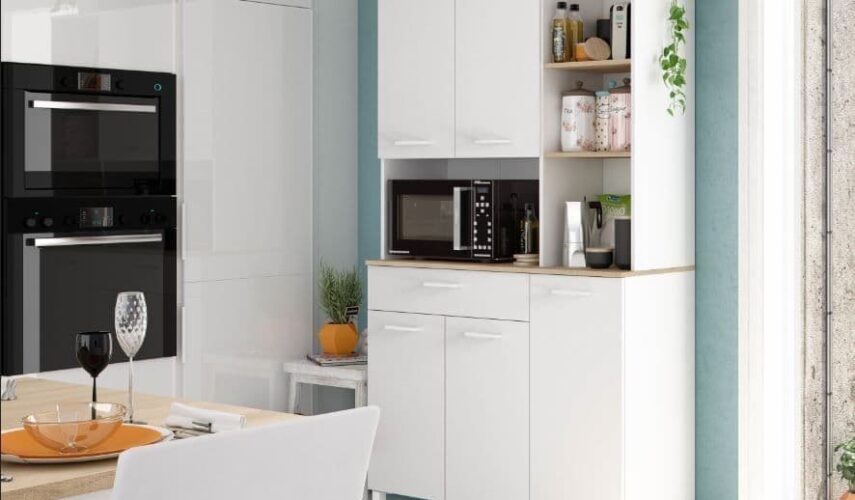
Modern kitchens have come a long way over the last decade. Clean lines, handleless units, and neutral colour palettes now dominate, creating spaces that are practical, minimal, and easy to live with. But while trends have shifted, one thing hasn’t gone anywhere, oak furniture.
There’s a reason for that. Oak brings warmth, texture, and a sense of permanence that modern materials often lack. The real opportunity isn’t choosing one style over the other it’s finding a way to make both work together.
When it’s done well, the result is a kitchen that feels current without being cold, and characterful without feeling dated.
Why Oak Still Belongs in a Modern Kitchen
Oak has always been associated with traditional interiors, but that doesn’t mean it’s stuck there. In fact, it often works even better in modern spaces because of the contrast it creates.
Walk into a contemporary kitchen and you’ll usually find smooth surfaces, flat finishes, and a fairly controlled colour scheme. Introducing oak into that environment instantly changes the feel of the room. It softens the edges, adds depth, and makes the space feel more lived-in.
It’s also a material that lasts. While trends in kitchen design come and go, a well-made oak table or sideboard will still look right years down the line. That longevity is a big part of why homeowners continue to bring it into newer kitchen designs.
Finding the Right Balance Between Old and New
The biggest mistake people make is trying to force the two styles together rather than letting them complement each other.
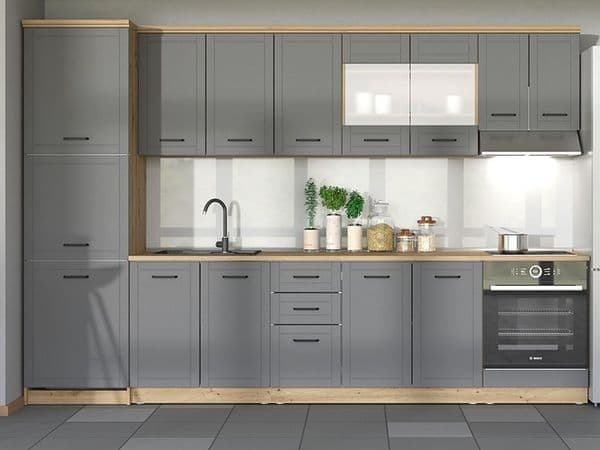
In most modern kitchens, less is more. That applies just as much when introducing oak. Instead of filling the space with traditional furniture, it works better to choose one or two key pieces that naturally draw attention. A solid oak dining table, for example, can completely change the feel of the room without overwhelming it.
The same applies to islands or breakfast bars. Using oak as a feature—rather than the dominant material—keeps the overall look clean while still bringing in that warmth.
Colour plays a big role here too. Lighter oak tones tend to sit comfortably alongside whites, greys, and softer modern palettes, giving a more Scandinavian feel. Darker oak can work just as well, but it needs something to balance it out—deeper colours, industrial touches, or darker cabinetry usually do the trick.
The Details That Tie It All Together
Often, it’s the smaller decisions that make the biggest difference.
Modern lighting over a traditional oak table instantly bridges the gap between styles. The same goes for fixtures and finishes. Matte black, brushed brass, or even subtle chrome details can help connect contemporary units with more classic furniture pieces.
Worktops also play their part. Pairing oak with stone or quartz creates a natural contrast that feels intentional rather than accidental. It’s about making sure nothing looks out of place, even when you’re mixing styles.
When the Kitchen Itself Needs a Rethink
Sometimes, the issue isn’t the oak furniture, it’s the kitchen around it.
You can have the best furniture in the world, but if the units, doors, or layout feel dated, the whole space will struggle to come together. In those situations, a full replacement isn’t always necessary.
Working with a Kitchen Makeover Company can be a smarter move. Instead of ripping everything out, a refurbishment focuses on updating what’s already there—changing doors, improving finishes, and modernising the look without losing the kitchen’s structure.
That approach makes it much easier to integrate existing oak furniture into the space, rather than trying to make it work in a kitchen that no longer fits.
Styling the Space So It Feels Right
Once the bigger elements are in place, it’s how the kitchen is used day to day that really brings everything together.
Modern kitchens tend to look their best when they’re not overcrowded, so keeping surfaces clear makes a noticeable difference. Oak furniture naturally draws the eye, so giving it a bit of breathing room helps it stand out in the right way.
Adding a few softer touches—plants, simple textiles, or even just everyday items placed with a bit of thought can stop the space from feeling too rigid. Mixing in materials like glass or metal also helps to keep things balanced, so the oak doesn’t feel too heavy.
A Shift Towards More Lived-In Kitchen Design
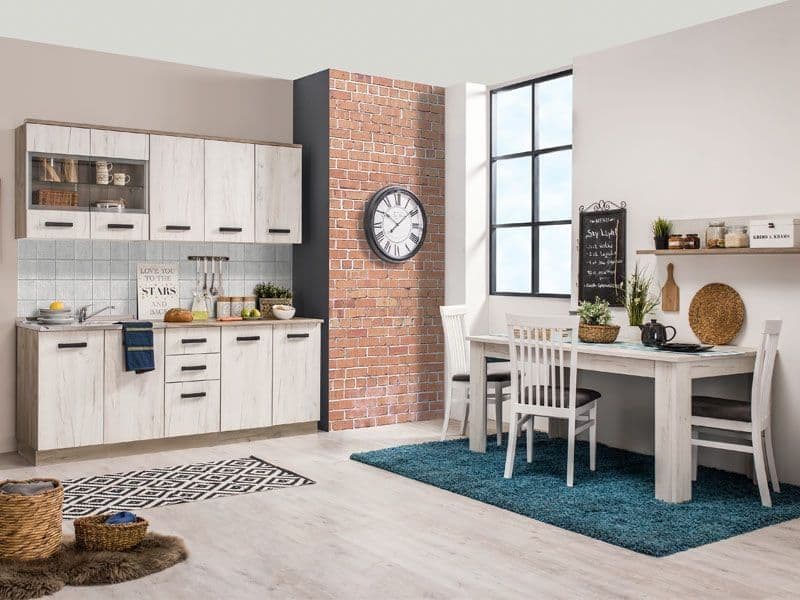
There’s been a clear move away from kitchens that feel overly polished or showroom-like. More people are now leaning towards spaces that feel personal, comfortable, and practical at the same time.
That’s where this blend of modern and traditional really comes into its own.
Oak furniture brings familiarity and character, while modern kitchen design keeps everything functional and efficient. Together, they create a space that works on both levels—somewhere that looks good, but also feels right to spend time in.
Matching modern kitchens with traditional oak furniture isn’t about getting it perfect—it’s about getting the balance right.
When you let each element do its job, the result is a kitchen that feels natural, not forced. Clean where it needs to be, warm where it matters, and built to last.
And in most homes, that’s exactly what people are looking for.

